Coverage 101

Not all vehicle service contracts work the same way. We break down the jargon so you can choose with confidence and protect your investment.

Understanding How Coverage Actually Works

Most people jump straight into comparing plans without understanding the foundational structures. Knowing how coverage is defined is the first step to making an informed decision. The difference between a "stated component" and "exclusionary" policy can mean thousands of dollars in a claim situation.

Core Warranty Types

These are the foundational coverage types. Everything else builds off of these structures.

Exclusionary Warranty

Everything is covered EXCEPT for a short list of wear-and-tear items. This is often called "Bumper-to-Bumper" coverage. Instead of listing what is covered, the contract lists what is NOT covered (like brake pads, wiper blades, and upholstery). This provides the most comprehensive protection available for your vehicle. Because it covers the vast majority of mechanical and electrical systems, it is the preferred choice for owners of modern vehicles filled with complex sensors, high-tech displays, and advanced safety features.
Price Range: $2,500 - $5,500+ and up to 100,000 miles
XpressVSC offers exclusionary coverage plans worth reviewing

Powertrain Warranty

Covers only the essential "moving parts" that make the car go: engine, transmission, and drive axles. This is the most basic level of protection, focusing on the most expensive components to repair or replace. It is often the standard coverage provided by manufacturers for a longer duration than the full factory warranty.  While it provides peace of mind for catastrophic mechanical failure, it typically leaves out systems like airconditioning, electrical, and fuel delivery.
Price Range: $800 - $2,000 and up to 100,000 miles

Stated Component

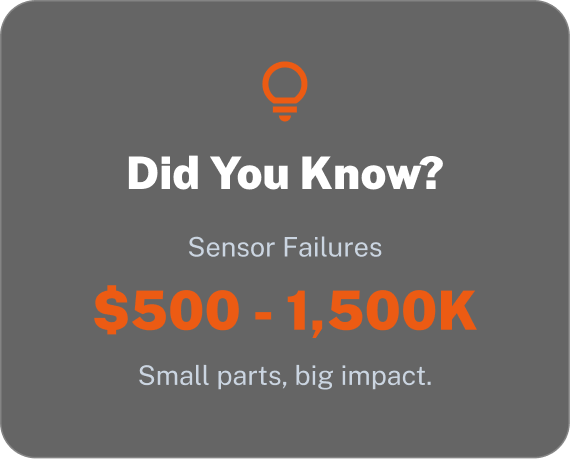
Only the specific items listed in your contract are covered. If it's not on the list, it's not covered. This middle-tier coverage is highly structured. It expands beyond the powertrain to include things like steering, suspension, and some electrical components, but only those explicitly named in the policy documents. It is crucial to review the list of stated components carefully, as modern vehicles have thousands of parts, and missing one critical sensor on the list can lead to an unexpected repair bill.
Price Range: $1,500 - $3,500 and up to 100,000 miles

More Coverage Options

These coverage types are designed for specific situations or vehicle life cycles.

Bumper-to-Bumper

The most comprehensive protection available for newer vehicles, mimicking original factory warranties. It provides total peace of mind by covering nearly every component from the front bumper to the rear bumper. This plan is designed to transition seamlessly once the manufacturer's initial warranty period ends. For drivers who want to avoid the stress of any unexpected mechanical or electrical failure, this represents the gold standard of vehicle protection.

Wrap Coverage

Complements existing powertrain warranties by adding coverage for electronics and other components. Many manufacturers offer very long powertrain warranties (e.g., 10 years/100,000miles) but short full-vehicle warranties. A Wrap plan "wraps" around that existing coverage to provide full exclusionary protection. This allows you to have comprehensive coverage without paying twice for the powertrain components that are already protected by the factory.

Drivetrain

Focuses strictly on mechanical reliability and performance, ideal for older vehicles on a budget. Drivetrain coverage is similar to powertrain but often more focused on the components that specifically transfer power to the wheels. It is designed for high-value protection at a lower price point. This is an excellent option for owners of older, reliable vehicles who want to ensure they aren't hit with a massive bill for a transmission or differential failure.

High-Mileage

Customized for vehicles with over 100,000 miles, focusing on parts most likely to fail later in life. Standard warranties often have strict mileage cutoffs. High-mileage plans are built to accommodate the unique needs of aging vehicles, where wear is expected but major component failure is the primary concern. These plans offer a safety net for long-term owners, ensuring that a high-mileage car can stay on the road without becoming a financial liability.

CPO Protection

Extends the manufacturer's Certified Pre-Owned benefits once they expire. Certified Pre-Owned vehicles come with a rigorous inspection and a limited warranty. CPO Protection plans are designed to pick up right where those benefits leave off, often offering the same high level of factory-like service. It allows owners of luxury or high-performance CPO vehicles to maintain their "certified" peace of mind for several additional years.

Hybrid / EV

Specific coverage for high-voltage batteries, electric motors, and complex tech software. Electric and hybrid vehicles have entirely different failure points than internal combustion cars. These plans are tailored to the expensive propulsion systems and battery management software unique to these vehicles. As EV technology evolves, having specialized coverage ensures you aren't stuck with the massive costs associated with battery degradation or motor failure.

Ancillary Protection Products

While a VSC covers mechanical failures, ancillary products protect the "wear and tear" or cosmetic aspects of your vehicle that warranties typically exclude.

Maintenance Plans

Pre-pays for routine services like oil changes, tire rotations, and fluid top-offs, protecting you against rising service costs. Regular maintenance is the best way to prevent major breakdowns, but the costs can add up. These plans lock in today's rates for years of future service, making budgeting much easier. By staying current with your maintenance via a pre-paid plan, you also ensure your mechanical warranty remains valid and in good standing.

Interior & Exterior Protection

Covers repair of rips/tears in upholstery and protects exterior paint from environmental damage or minor dings. Daily life can be hard on a car's appearance. Whether it's a coffee spill on the seat or tree sap damaging the clear coat, these products help maintain your vehicle's aesthetic and resale value. This protection is especially popular for families with children or pets, where interior wear is almost a certainty over the life of the vehicle.

Tire & Wheel Protection

Replaces tires or wheels damaged by road hazards like potholes or debris—items never covered by a standard VSC. Modern wheels are often large, stylized, and expensive to replace, while low-profile tires are susceptible to damage from even minor road imperfections. A single encounter with a deep pothole can cost hundreds or even thousands of dollars. Tire and wheel protection eliminates that financial risk entirely.

Key Replacement

Modern key fobs are expensive computers. This covers the high cost of replacement and reprogramming if lost or stolen. Gone are the days of a $5 metal key. Modern smart fobs can cost upwards of $500 once you factor in the hardware and the specialized labor required for programming. Key replacement coverage ensures that losing your keys is a minor inconvenience rather than a major financial setback.

Windshield Protection

Covers the repair of minor chips or the full replacement of a windshield, often including the recalibration of safety sensors. A chipped windshield can quickly turn into a crack that spans the entire glass. Furthermore, modern windshields house cameras and sensors for lane-departure warnings and emergency braking. This coverage ensures your glass is handled by professionals who understand how to properly calibrate these life-saving safety systems during a replacement.
How These Fit In
Think of these as gap fillers. They cover everyday wear a mechanical warranty does not, keeping your car looking and feeling new. Pair them with a core warranty for more complete protection and fewer out-of-pocket costs.

Common Mistakes

Most confusion around extended warranties comes from assumptions, not the actual coverage. Avoid these pitfalls:

"Assuming everything is covered"
Always check the exclusion list for wear items like brake pads and tires. No warranty covers items designed to wear out through normal use.
"Waiting too long to buy"
Coverage is significantly cheaper when your vehicle has lower mileage. Waiting until your factory warranty expires can lead to much higher premiums.
"Neglecting regular maintenance"
Failing to follow your owner's manual can void your warranty claims. Keep all your service records to prove you've taken care of the vehicle.
"Ignoring the fine print"
Different plans have different deductibles and rental car benefits. Knowing your deductible upfront prevents surprises during a claim.
"Forgetting diagnostic fees"
Understand who pays for the mechanic's time to find the problem. Most policies pay for diagnostics only if the repair itself is covered.

Choosing What Fits Your Situation

The right plan comes down to your vehicle, your budget, and how you drive. There is no one-size-fits-all, but there is always a best fit. When your coverage matches your lifestyle, the unknown becomes manageable.

Pro Tip: Look for Transferable Plans
Transferable coverage increases your car's resale value later on.

A Simpler Way to Explore Coverage Options

Compare coverage and costs side-by-side without the high-pressure sales calls. Get the transparency you deserve. We believe that an educated consumer is a protected consumer. That's why we provide all the details upfront. Join thousands of drivers who have simplified their vehicle protection journey with XpressVSC.

Explore Coverage Options